
Best Gingival Flap Surgery in Chandigarh: Advanced Gum Care at NewWay Orthodontic
NewWay Orthodontic Team
Updated August 2026 · Chandigarh & Mohali
Introduction
Brushing twice a day and cleaning between your teeth are the foundation of good oral hygiene. But even a careful routine cannot always remove every deposit, particularly around the gumline and in difficult-to-reach areas. Over time, plaque can harden into tartar, which cannot simply be brushed away at home.
This is where Dental Scaling and Polishing becomes important. The procedure removes accumulated tartar and plaque, while polishing helps clean away surface stains and leaves the tooth surfaces smoother. More importantly, professional cleaning gives your dentist an opportunity to assess the condition of your teeth and gums before small problems become bigger ones.
For people looking for reliable Dental Scaling and Polishing in Chandigarh, understanding what the treatment actually does can make it easier to decide when professional cleaning is appropriate.
Want an Experienced Specialist's Opinion?
Our MDS Orthodontists offer a FREE consultation.
What Is Dental Scaling and Polishing?
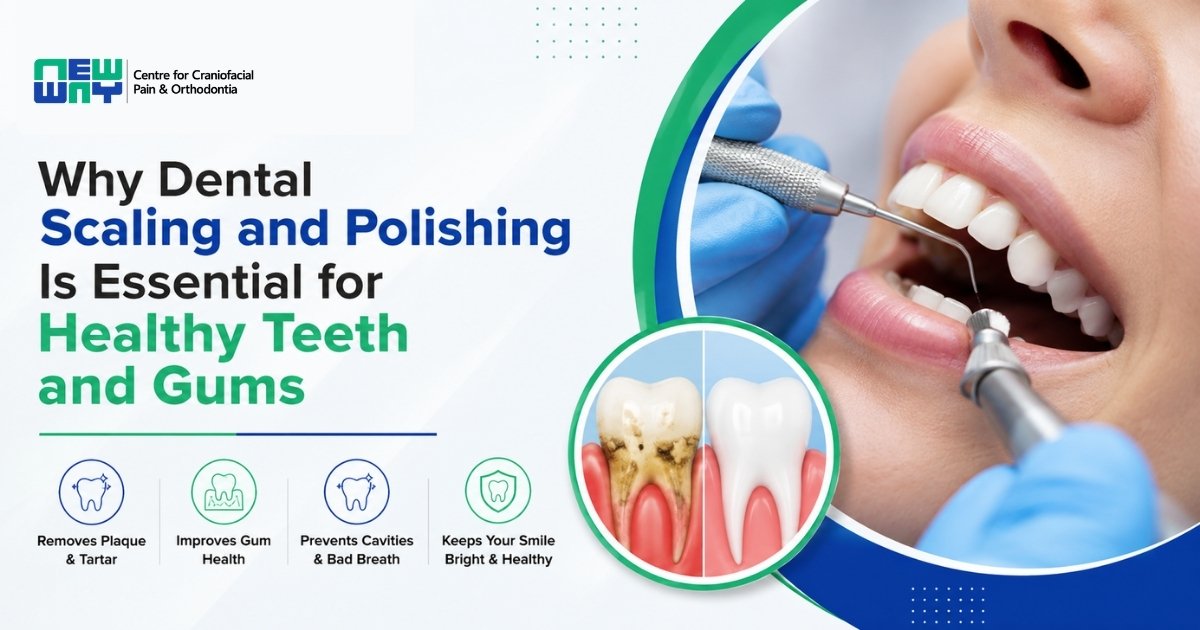
Dental Scaling and Polishing is a professional cleaning procedure used to remove plaque, tartar and certain surface stains from the teeth.
Scaling focuses on deposits that have hardened on the teeth and around the gumline. Dentists may use ultrasonic instruments, hand instruments, or a combination of both, depending on the amount and location of the buildup.
Polishing follows scaling in many routine cleanings. A polishing tool and professional paste are used to remove remaining surface stains and smooth the tooth surfaces.
The two steps serve different purposes, but together they provide a more thorough clean than brushing alone can achieve. The NHS also describes scale and polish as professional removal of plaque and tartar by a dental professional.
Digital X-Rays
ITero Lumina Scanning
Sterilization
Painless Treatments
Why Does Tartar Build Up on Teeth?
Plaque is a sticky film containing bacteria that forms continuously on teeth. Regular brushing and interdental cleaning help control it, but areas can still be missed.
When plaque remains on the teeth, it can harden into calculus, commonly called tartar. Once tartar has formed, a toothbrush cannot remove it effectively. Professional cleaning is needed to take it away.
This matters because tartar around the gums can make cleaning more difficult and contribute to gum inflammation. The Indian Dental Association notes that calculus can develop even with careful brushing and flossing and recommends professional assessment as part of maintaining oral health.
Need Expert Dental Advice?
Speak to Our Specialists – FREE Consultation
How Does Dental Scaling and Polishing Protect Your Gums?
Healthy gums should not regularly bleed, swell or remain tender. Persistent bleeding during brushing can be a sign that plaque-related gum inflammation needs attention.
Regular Dental Scaling and Polishing helps remove hardened deposits that can sit along the gumline. By reducing these deposits, professional cleaning supports better gum hygiene and makes it easier to maintain the area with daily brushing and interdental cleaning.
However, routine cleaning is not the same as treatment for advanced gum disease. If periodontal pockets or deeper infection are present, a dentist may recommend a more extensive procedure such as scaling and root planing. The American Dental Association identifies deep scaling and root planing as a treatment for periodontitis.
Does It Help With Bad Breath and Surface Stains?
Plaque and tartar can harbour bacteria, while deposits and surface staining can affect how clean your mouth feels. Professional cleaning can therefore make a noticeable difference to oral freshness and the appearance of the teeth.
Polishing is particularly useful for removing some external stains caused by things such as tea, coffee and certain foods. It does not, however, change the natural colour of the tooth in the same way that professional whitening does.
If bad breath continues after a thorough cleaning and good home care, it should not simply be ignored. Persistent halitosis can have several causes and deserves a dental assessment.
Is Dental Scaling and Polishing Painful?
For many people, routine Dental Scaling and Polishing is a straightforward procedure. You may notice vibration, water spray or mild pressure while the dentist or hygienist works around the teeth.
The experience can be different if there is significant tartar, gum inflammation or existing tooth sensitivity. Some patients may feel temporary sensitivity after deposits are removed, particularly where previously covered tooth surfaces become exposed.
Let your dentist know if you have sensitive teeth or feel uncomfortable during treatment. The procedure can then be adjusted to make the appointment more manageable.
Concerned About Your Oral Health?
Book a Free Consultation
How Often Should You Get Your Teeth Professionally Cleaned?
There is no single schedule that suits every patient. Some people may benefit from routine cleaning at regular intervals, while those with a history of gum disease, heavy tartar formation or other oral-health concerns may need more frequent monitoring.
The Indian Dental Association advises regular dental check-ups and notes six-monthly visits as an ideal general interval, while also recommending that the need for scaling be discussed with your dentist.
During a Dental Scaling and Polishing in Chandigarh appointment, your dentist can assess your oral health and suggest an interval suited to your needs rather than relying on a fixed timetable.

What Happens During a Scaling and Polishing Appointment?
A typical appointment begins with an examination of the teeth and gums. Your dentist identifies areas where plaque or tartar has accumulated and checks for signs of gum inflammation or other concerns.
Scaling is then carried out using suitable instruments to remove hardened deposits. Once the teeth have been cleaned, polishing may be performed to remove surface stains and leave the teeth feeling smoother.
At NewWay, scaling and polishing is listed among the clinic’s dental treatments, with the procedure generally taking around 30 minutes to an hour depending on the amount of buildup.
Wondering If It's Time for Gum Surgery?
Our MDS Orthodontists offer a FREE consultation.
Who May Need Dental Scaling and Polishing More Often?
People who frequently develop tartar may need professional cleaning more often than those who maintain a low level of buildup. Patients with previous gum problems may also require closer monitoring.
Other factors can include difficulty cleaning certain areas, crowded teeth, orthodontic appliances and individual oral-hygiene habits. This is why Dental Scaling and Polishing should not be viewed as a one-size-fits-all treatment.
If your gums bleed regularly, appear swollen or become sore, do not wait for the next routine cleaning. These symptoms can indicate gum disease and should be assessed by a dentist.
Dental Care After Scaling: Expert Tip
A professional cleaning is most effective when followed by consistent home care. Dr. Sombir Singh recommends maintaining good everyday oral hygiene rather than treating scaling as a replacement for brushing and interdental cleaning.
Brush twice daily with fluoride toothpaste and clean between your teeth every day. The American Dental Association also considers interdental cleaning an important part of maintaining teeth and gums because toothbrushes cannot effectively reach every surface between teeth.
Avoid aggressive brushing immediately after a cleaning if your teeth feel sensitive, and follow any personalised instructions given by your dentist.
Final Thoughts: Prevention Starts With Professional Cleaning
Dental Scaling and Polishing is more than a cosmetic cleaning. It removes hardened deposits that home brushing cannot eliminate, helps maintain cleaner tooth surfaces and supports healthier gums when combined with good daily oral hygiene.
If you have visible tartar, recurring gum bleeding, persistent bad breath or simply have not had a professional dental check-up for some time, an examination can help determine whether cleaning is appropriate.
For patients seeking dependable Dental Scaling and Polishing in Chandigarh, choosing a dental practice that evaluates your teeth and gums before recommending treatment is an important part of preventive care. NewWay Orthodontic provides scaling and polishing alongside a wider range of dental treatments, making professional cleaning part of a broader approach to oral health.
Ready to Take Better Care of Your Smile?
Good oral care starts at home, but professional cleaning has an important place in maintaining a healthy mouth. If you are noticing tartar, gum bleeding or stubborn surface stains, speak with a dentist rather than trying to remove hardened deposits yourself.
A timely dental assessment can help you understand what your teeth and gums actually need—and whether a routine cleaning is enough or further treatment is required.
📋 In This Article
- Introduction
- What Is Dental Scaling and Polishing?
- Why Does Tartar Build Up on Teeth?
- How Does Dental Scaling and Polishing Protect Your Gums?
- Does It Help With Bad Breath and Surface Stains?
- Is Dental Scaling and Polishing Painful?
- How Often Should You Get Your Teeth Professionally Cleaned?
- What Happens During a Scaling and Polishing Appointment?
- Who May Need Dental Scaling and Polishing More Often?
- Dental Care After Scaling: Expert Tip
- Final Thoughts: Prevention Starts With Professional Cleaning
- Frequently Asked Questions
Book a FREE Consultation
Takes 30 seconds · No Upfront payment required
— Book Your —
APPOINTMENT
⭐ Trusted Family Dentist in Chandigarh & Mohali⭐
Need Help Now?
Ready to Get Started?
Experience the NewWay Difference
Frequently Asked Questions
1. What is the difference between dental scaling and polishing?
Scaling removes hardened plaque, or tartar, from the teeth and around the gumline using professional instruments. Polishing comes afterwards and helps remove surface stains and smooth the tooth surfaces. Together, they provide a more thorough professional clean than regular brushing can achieve at home.
2. How often should I get Dental Scaling and Polishing?
The ideal frequency varies between individuals. People who build up tartar quickly or have a history of gum problems may need cleaning more often. Others may require it less frequently. Your dentist can recommend a schedule after examining your teeth, gums and overall oral health.
3. Is dental scaling and polishing safe for teeth?
Yes, when performed properly by a dental professional, routine cleaning is considered a safe part of preventive oral care. Scaling removes deposits from the tooth surface rather than damaging healthy enamel. Temporary sensitivity can occur afterwards, particularly when there is significant tartar or gum inflammation.
4. Can scaling and polishing stop gum bleeding?
It can help when bleeding is related to plaque and tartar buildup, but it does not guarantee that bleeding will stop immediately. Persistent bleeding may indicate gum disease or another problem. A dentist should examine the gums and determine whether routine cleaning or additional treatment is necessary.
5. Where can I get Dental Scaling and Polishing in Chandigarh?
You can consider a dental practice that offers professional cleaning along with a proper examination of the teeth and gums. Dental Scaling and Polishing in Chandigarh is available at NewWay Orthodontic, where scaling and polishing is listed among the clinic’s dental treatments.