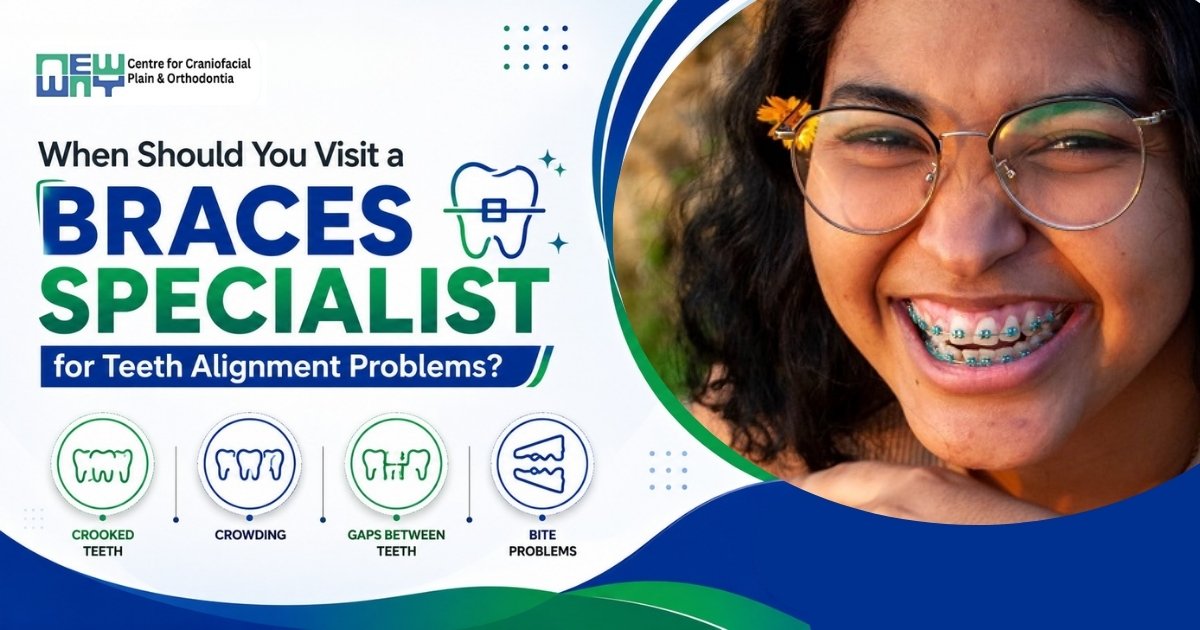
When Should You Visit a Braces Specialist for Teeth Alignment Problems?
NewWay Orthodontic Team
Updated July 2026 · Chandigarh & Mohali
Introduction
A properly aligned smile is not only important for appearance but also for oral health and overall confidence. Crooked teeth, bite issues, and jaw imbalance can affect chewing, speech, and even daily comfort. While many people delay treatment, recognising the right time to consult a braces specialist can prevent more complex dental complications later.
Modern orthodontic treatment offers far more than traditional metal braces. Today, patients have access to advanced solutions designed to improve alignment comfortably and effectively. Whether the issue is mild crowding or a significant bite problem, early evaluation by a professional can make treatment simpler and more successful.
If you have been experiencing discomfort, spacing problems, or noticeable alignment changes, it may be time to consult a qualified orthodontic expert.
Want an Experienced Specialist's Opinion?
Our MDS Orthodontists offer a FREE consultation.
What Does a Braces Specialist Do?
A braces specialist, also known as an orthodontist, focuses on diagnosing and correcting teeth and jaw alignment problems. Their goal is to improve both the function and appearance of your smile through customised treatment planning.
A skilled braces specialist evaluates:
- Crooked or crowded teeth
- Overbite or underbite issues
- Jaw alignment concerns
- Spacing between teeth
- Speech or chewing difficulties
- Facial balance and symmetry
Unlike general dental procedures, orthodontic treatment requires detailed planning and precision to achieve stable, long-term results.
Digital X-Rays
ITero Lumina Scanning
Sterilization
Painless Treatments
Common Teeth Alignment Problems
Many alignment issues develop gradually and may not appear serious initially. However, they can worsen over time if left untreated.
Crowded Teeth
When there is insufficient space in the jaw, teeth overlap or rotate out of position.
Gaps Between Teeth
Excess spacing can affect smile aesthetics and sometimes lead to gum concerns.
Overbite
The upper front teeth excessively overlap the lower teeth.
Underbite
The lower teeth extend beyond the upper teeth, affecting bite function.
Crossbite
Some upper teeth sit inside the lower teeth when biting down.
Open Bite
The upper and lower teeth do not touch properly when the mouth is closed.
A qualified braces specialist in Mohali can identify the severity of these concerns and recommend suitable treatment options.
Need Expert Dental Advice?
Speak to Our Specialists – FREE Consultation
Signs You Should Visit a Specialist
Many people are unsure when orthodontic care becomes necessary. Certain symptoms clearly indicate the need for professional evaluation.
You should consider visiting a braces specialist if you notice:
- Difficulty chewing or biting food
- Crooked or overlapping teeth
- Frequent cheek biting
- Jaw pain or clicking sounds
- Teeth shifting over time
- Speech difficulties caused by alignment issues
- Gaps that affect confidence
- Uneven tooth wear
Children and teenagers should ideally undergo orthodontic screening early, but adults can also benefit significantly from treatment at any age.
Why Early Orthodontic Treatment Matters?
Early diagnosis allows orthodontists to correct problems before they become more severe. Delaying treatment can sometimes increase the complexity of correction and extend treatment duration.
Benefits of early orthodontic care include:
- Improved oral hygiene
- Better bite function
- Reduced jaw strain
- Lower risk of tooth damage
- Enhanced facial aesthetics
- Increased self-confidence
A trusted braces specialist in Mohali can create a personalised plan that addresses both cosmetic and functional concerns effectively.
Treatment Options for Teeth Alignment
Orthodontic technology has evolved considerably over the years. Patients today can choose from several modern treatment options based on their preferences and dental condition.
Traditional Metal Braces
These remain highly effective for correcting complex alignment problems.
Ceramic Braces
Ceramic braces blend more naturally with teeth and offer a less noticeable appearance.
Clear Aligners
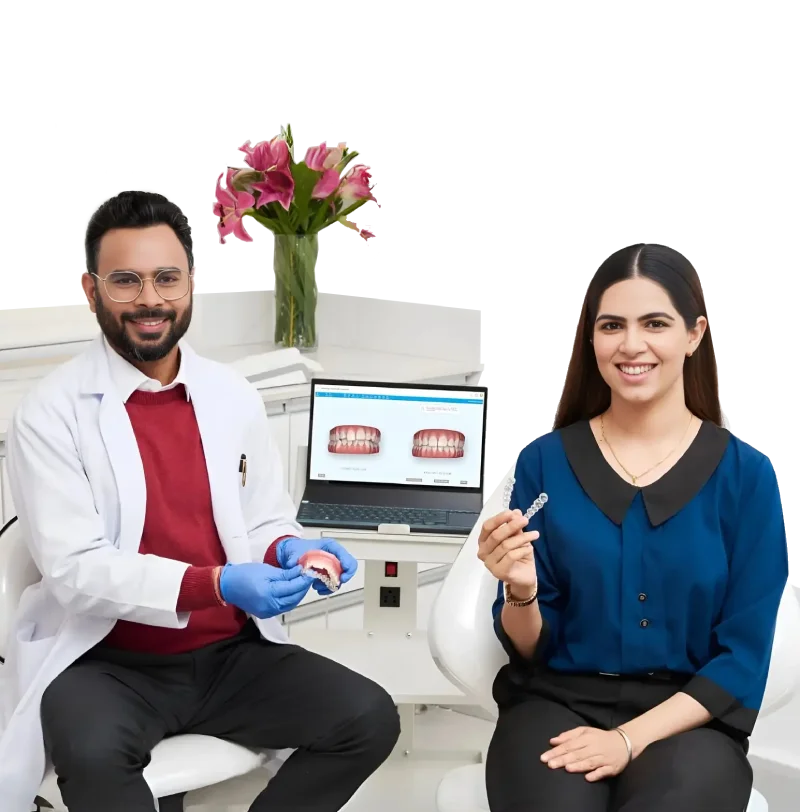
Transparent aligners provide a removable and discreet treatment option for suitable cases.
Self-Ligating Braces
These advanced braces use specialised clips instead of elastic bands, reducing friction and improving comfort.
Your orthodontist will recommend the most suitable option after a complete evaluation.
Concerned About Teeth Alignment?
Book a FREE Braces Consultation
What Happens During Your Consultation?
Your initial orthodontic consultation typically includes:
- Dental examination
- Digital X-rays or scans
- Bite analysis
- Discussion of treatment goals
- Personalised treatment recommendations
The orthodontist will explain expected treatment duration, maintenance requirements, and the most effective approach for your specific alignment concerns.
Patients searching for the best dentist in Mohali often benefit from choosing a clinic that combines advanced orthodontic technology with personalised patient care.
How Long Does Treatment Usually Take?
Treatment duration depends on the complexity of the alignment issue. Mild corrections may take several months, while more advanced cases can require one to two years.
Factors affecting treatment time include:
- Severity of misalignment
- Type of braces used
- Age of the patient
- Consistency with follow-up appointments
- Oral hygiene maintenance
Regular appointments and proper care can help ensure smoother progress and better results.
Wondering If It's Time for Braces?
Our MDS Orthodontists offer a FREE consultation.
Tips to Maintain Healthy Teeth During Orthodontic Care
Maintaining oral hygiene is essential throughout orthodontic treatment.
Helpful recommendations include:
- Brush after every meal
- Use interdental cleaning tools
- Avoid excessively hard or sticky foods
- Attend all scheduled appointments
- Wear retainers as instructed after treatment
Good oral care habits help protect teeth and improve treatment outcomes.
Final Thoughts: Better Alignment, Better Confidence, Better Oral Health
Teeth alignment problems can affect far more than appearance. They may influence oral hygiene, jaw comfort, chewing ability, and long-term dental health. Seeking timely orthodontic care ensures that minor issues do not develop into more complicated concerns later.
If you notice persistent alignment problems or bite irregularities, consulting an experienced orthodontic professional like Dr Sombir Singh is the best step towards achieving a healthier and more confident smile. At NewWay Orthodontic, patients receive personalised orthodontic care designed to deliver comfortable, effective, and lasting result
📋 In This Article
- Introduction
- What Does a Braces Specialist Do?
- Common Teeth Alignment Problems
- Signs You Should Visit a Specialist
- Why Early Orthodontic Treatment Matters?
- Treatment Options for Teeth Alignment
- Treatment Options for Teeth Alignment
- How Long Does Treatment Usually Take?
- Tips to Maintain Healthy Teeth During Orthodontic Care
- Final Thoughts: Better Alignment, Better Confidence, Better Oral Health
- Frequently Asked Questions
Book a FREE Consultation
Takes 30 seconds · No Upfront payment required
— Book Your —
APPOINTMENT
⭐ Trusted Family Dentist in Chandigarh & Mohali⭐
Need Help Now?
Ready to Get Started?
Experience the NewWay Difference
Frequently Asked Questions
1. At what age should someone visit a braces specialist?
Children should ideally have an orthodontic evaluation by the age of seven, as early detection can help guide jaw development properly. However, orthodontic treatment is effective for teenagers and adults as well. Many adults now seek braces treatment to improve both appearance and long-term dental function successfully.
2. How do I know if I need braces?
You may require braces if you have crooked teeth, difficulty biting, jaw discomfort, speech issues, or noticeable gaps between teeth. A professional orthodontic assessment can determine the severity of alignment problems and recommend the most suitable treatment option based on your specific dental condition and overall oral health.
3. Are clear aligners better than traditional braces?
Clear aligners are popular because they are removable and less noticeable, but they may not suit every case. Traditional braces are often more effective for severe alignment concerns. A qualified dentist in Mohali can evaluate your condition carefully and suggest the treatment best suited to your orthodontic requirements.
4. Does orthodontic treatment hurt?
Patients may experience mild discomfort or pressure during the initial adjustment period, especially after braces are tightened or aligner changes. However, the discomfort is usually temporary and manageable. Modern orthodontic techniques are designed to improve comfort significantly while still delivering effective and predictable alignment correction results over time.
5. How long do braces need to be worn?
The duration varies depending on the complexity of the case and the type of treatment chosen. Some patients may need braces for less than a year, while others require longer treatment. Following your orthodontist’s instructions and maintaining regular appointments can help achieve results more efficiently and successfully.